Allowing women the unhindered access to the joy and freedom of the outdoors.
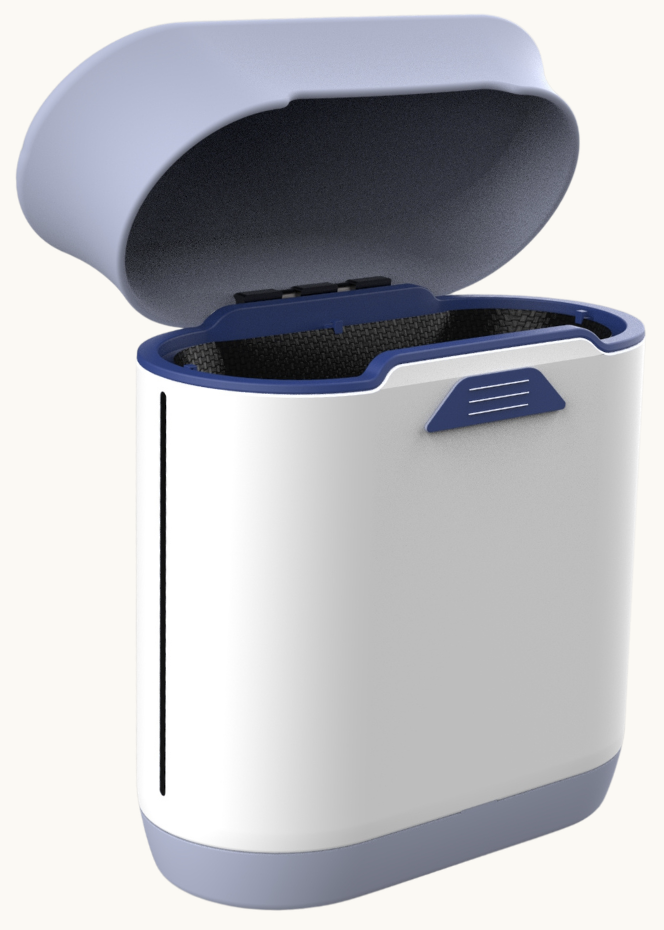
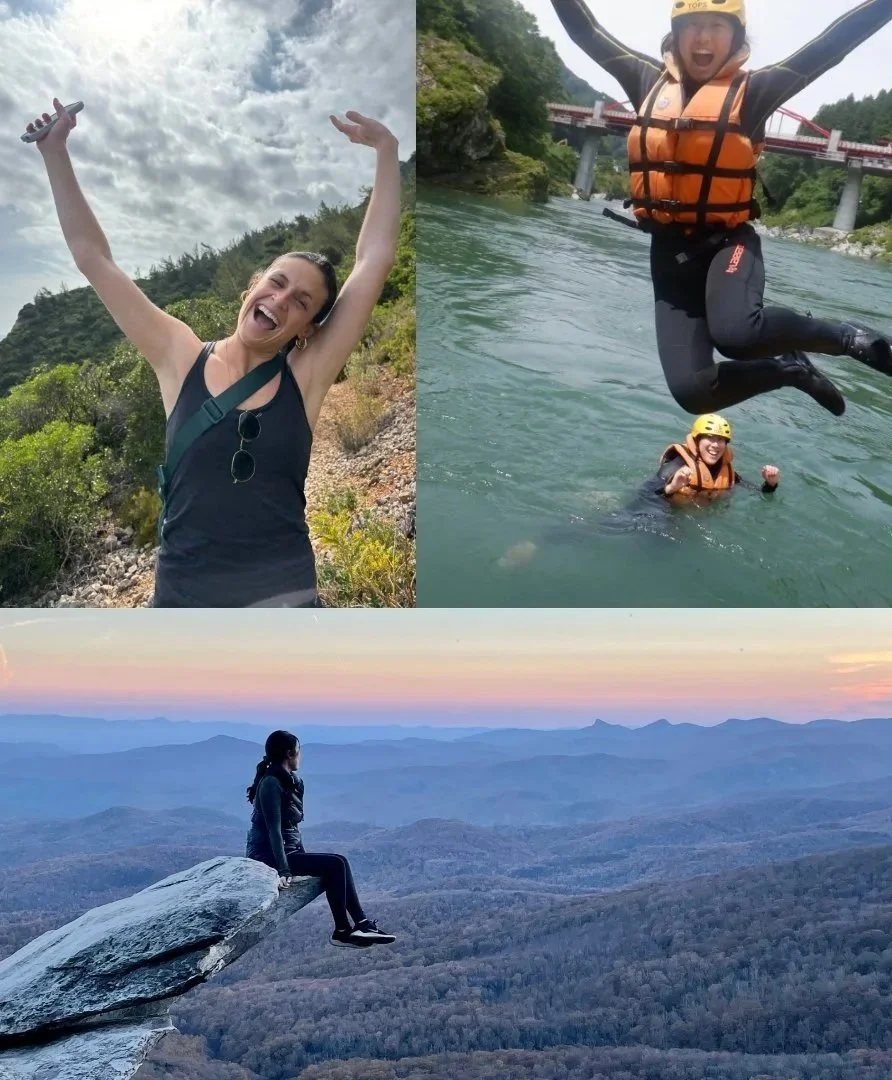
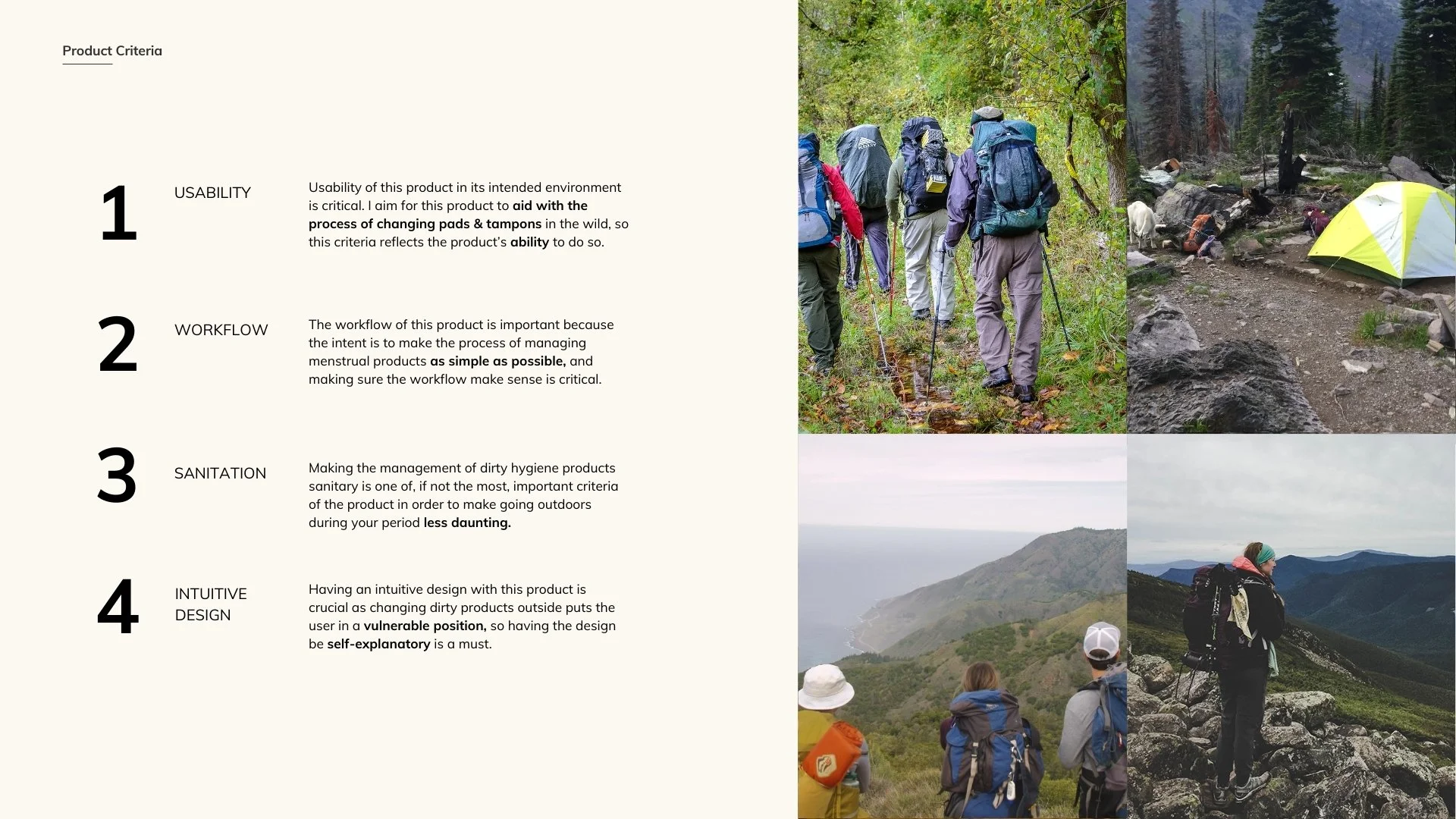
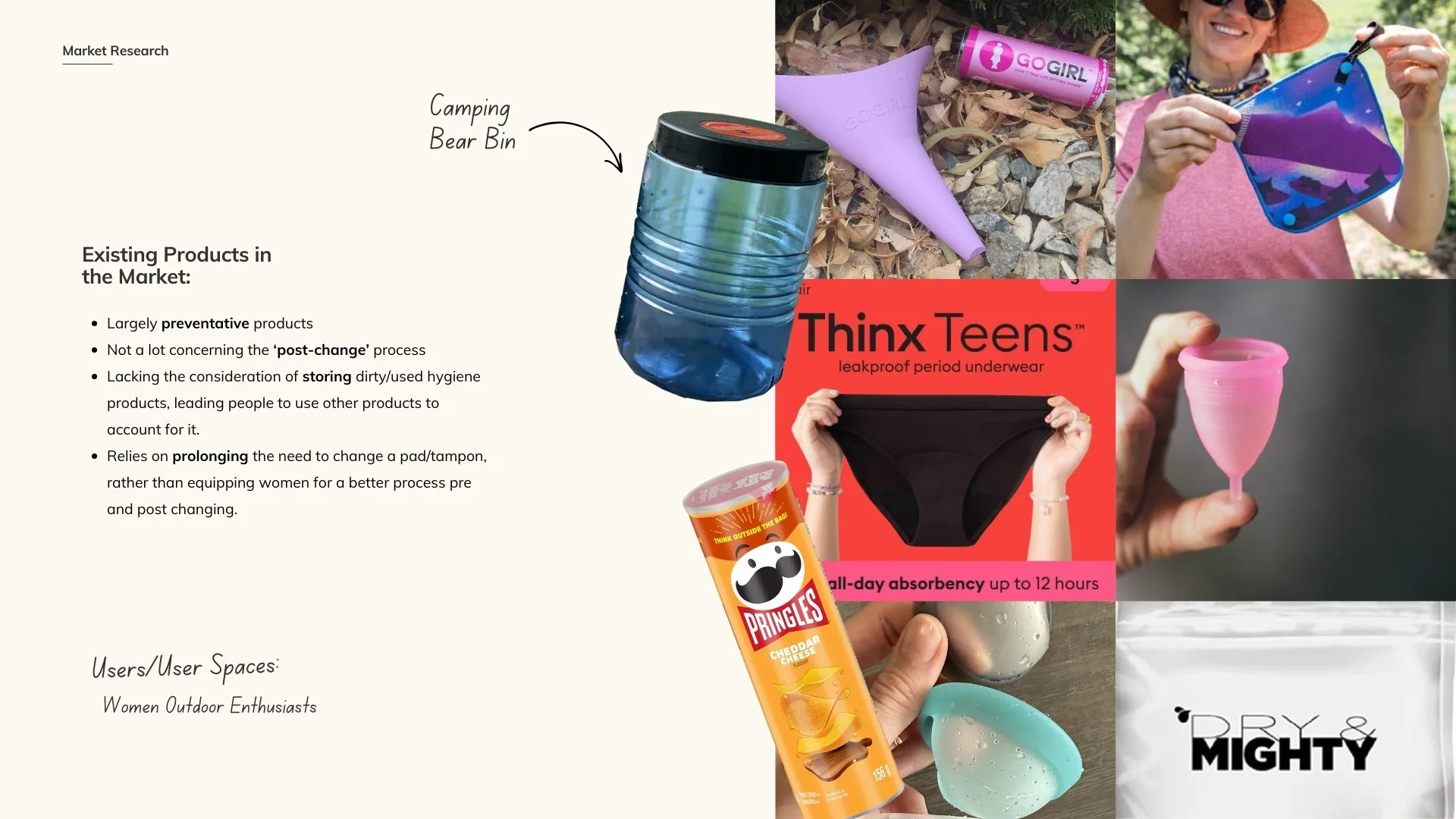
Outdoor activities such as hiking and backpacking continue to rise in popularity. Yet, there remains a gap in addressing the hygiene needs of women in these environments, specifically that of a woman’s cycle.
The Gap
Many women face challenges related to hygiene and managing personal care during extended outdoor trips. These challenges can deter women from participating fully in outdoor adventures, limiting their access not only to the physical and mental benefits of outdoor activities but also to the joy that comes with being outdoors.
The Need
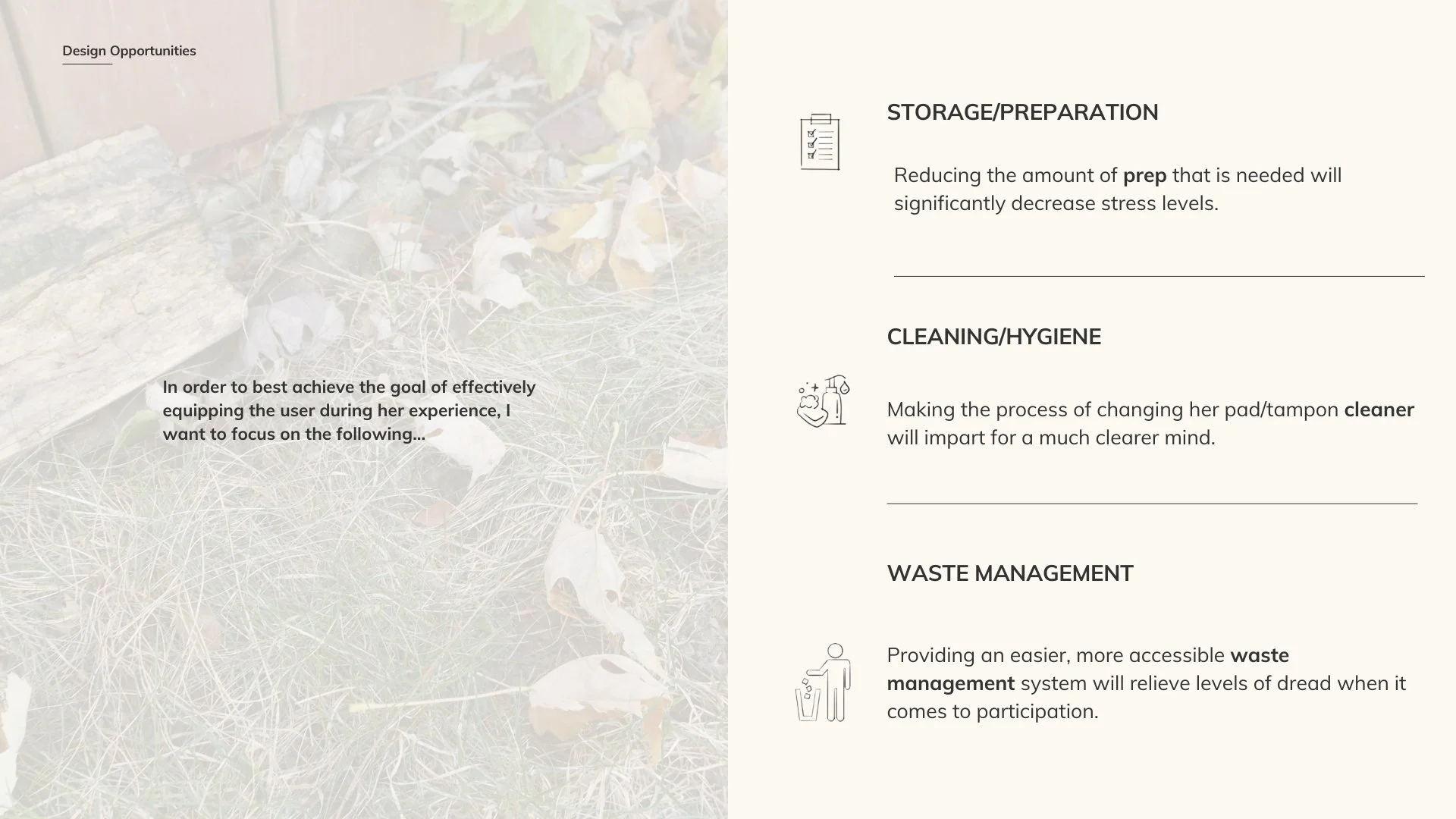
Design Opportunity
I aim to develop an innovative solution tailored to women’s hygiene needs on their menstrual cycle, while hiking and backpacking. With this product, I aim to empower women to participate in outdoor activities with confidence and ease. My goal is to ensure that no woman feels hindered or discouraged from enjoying the great outdoors because of cycle-related barriers.
By supporting their needs, I hope to foster an outdoor experience where women can engage fully without limitation and have unhindered access to the joy, adventure, freedom, and curiosity that nature offers, allowing them to connect deeply with nature and the shared spirit of exploration.
The Impact
Research
Is this a problem worth tackling? Yes.
-
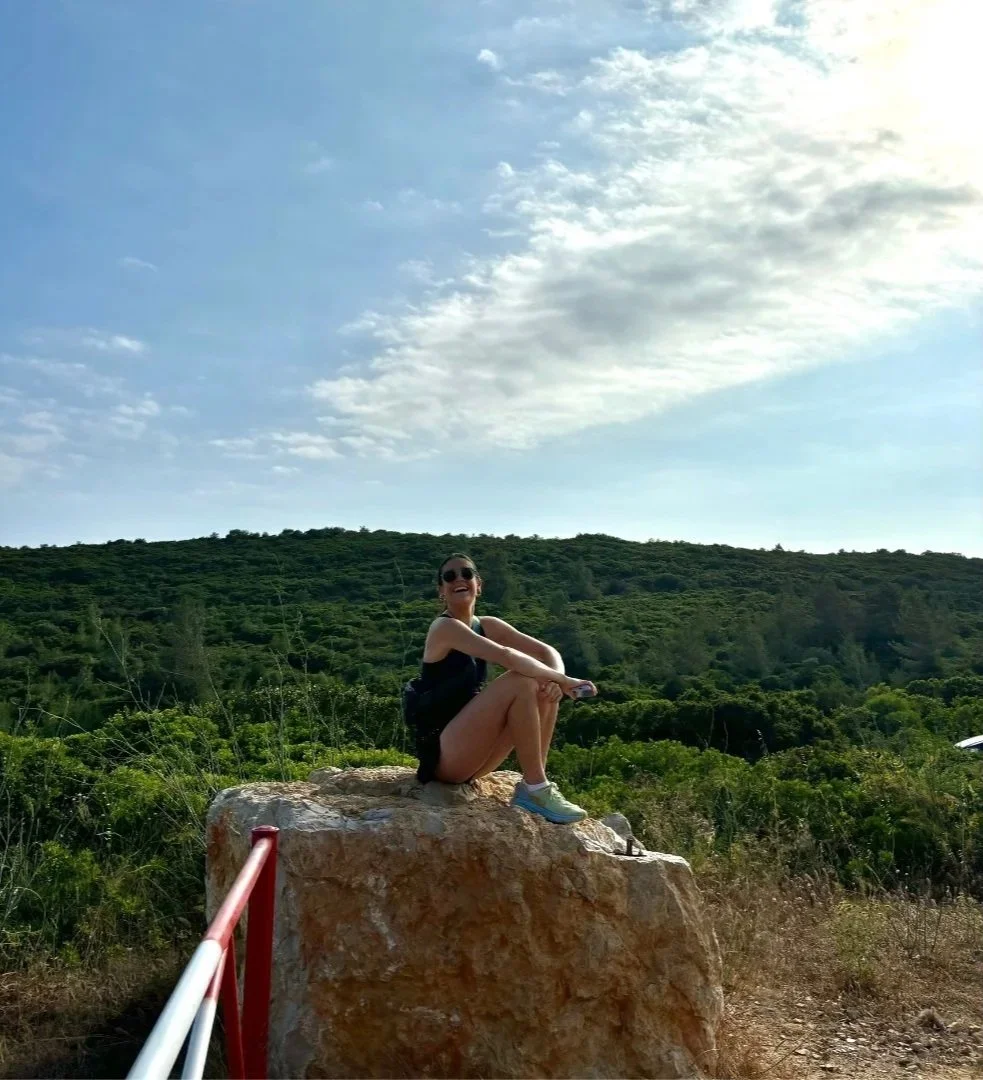
A study underlines the power of imagination in intimate contact with nature. Outdoor play can contribute to an overall understanding of the human in the world.
From a study conducted in Norway; “Women are often emotional towards their surroundings; we are deeply moved, touched or affected. These emotional relations carry women into a sphere of action and wonder. Through the outdoors, we interact and communicate with nature. Through this interaction, we not only discover nature but also ourselves.”
-
Phenomenology and ecophilosophy. both show how humans are inextricably linked with nature, creating the basis for a holistic understanding of person’s relationship with nature.
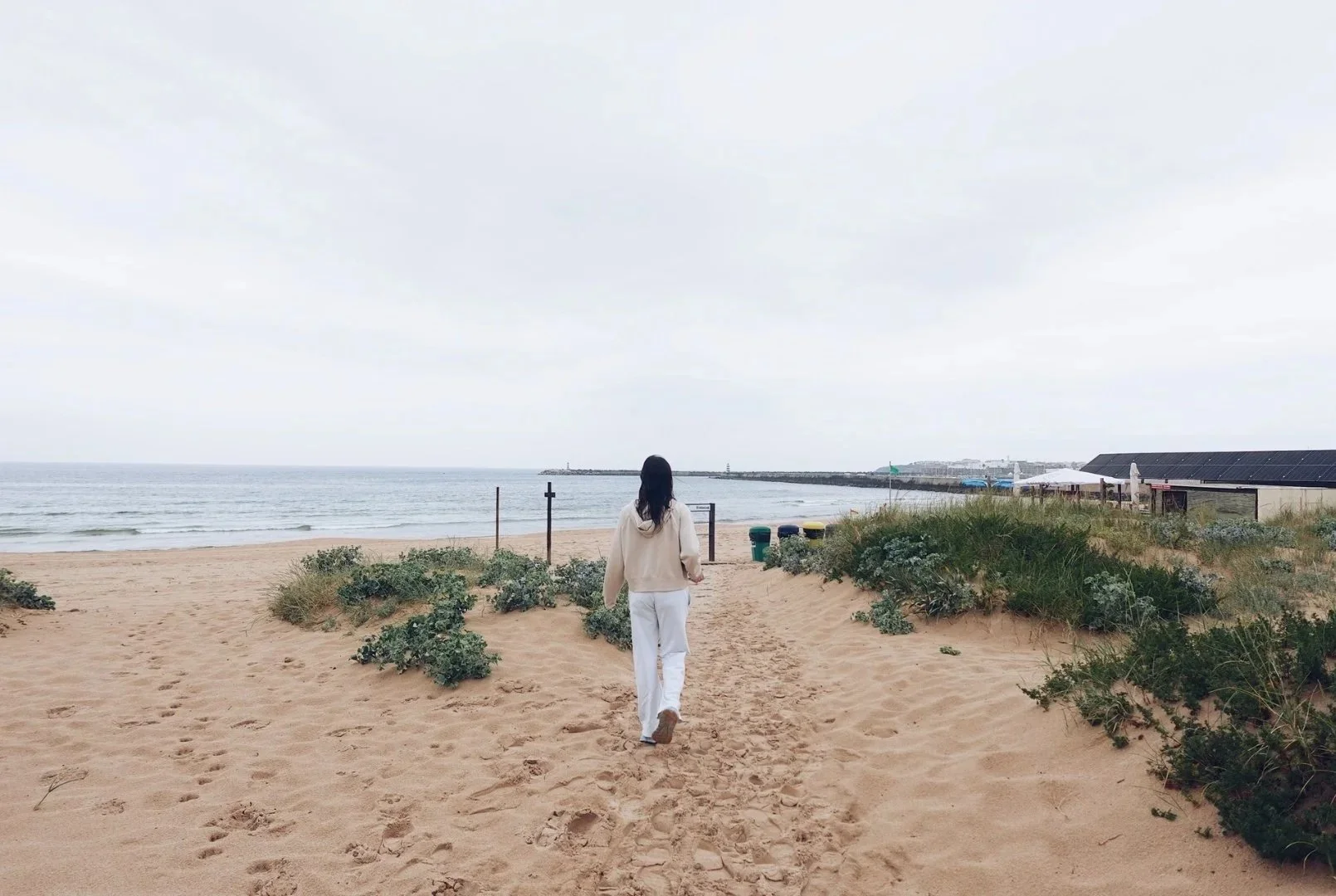
A study points out: relations between place and joy and how joy is linked to freedom.
Moe and Engelsrud’s research. underlines how situational and relational aspects are essential when facilitating joy. They relate the joy of movement to openness, encountering new situations, and engaging and experiencing oneself, other people, and the world.
-
Experiencing awe in nature fosters a deeper connection and appreciation for one’s environment, prompting introspection and a shift in perspective.
It opens our minds to the vastness of the universe and the intricate web of life, instilling a sense of wonder that ignites curiosity and inspires exploration.
Nature connection and curiosity are two interrelated concepts that are often overlooked in today’s busy and technology-driven world, but that can have a profound impact on our well-being and overall quality of life.
This fast-paced, tech-centric world creates a reality that is quite distant from experiencing the natural wonders all around us.
Research
Is this a relevant issue? Yes.
-
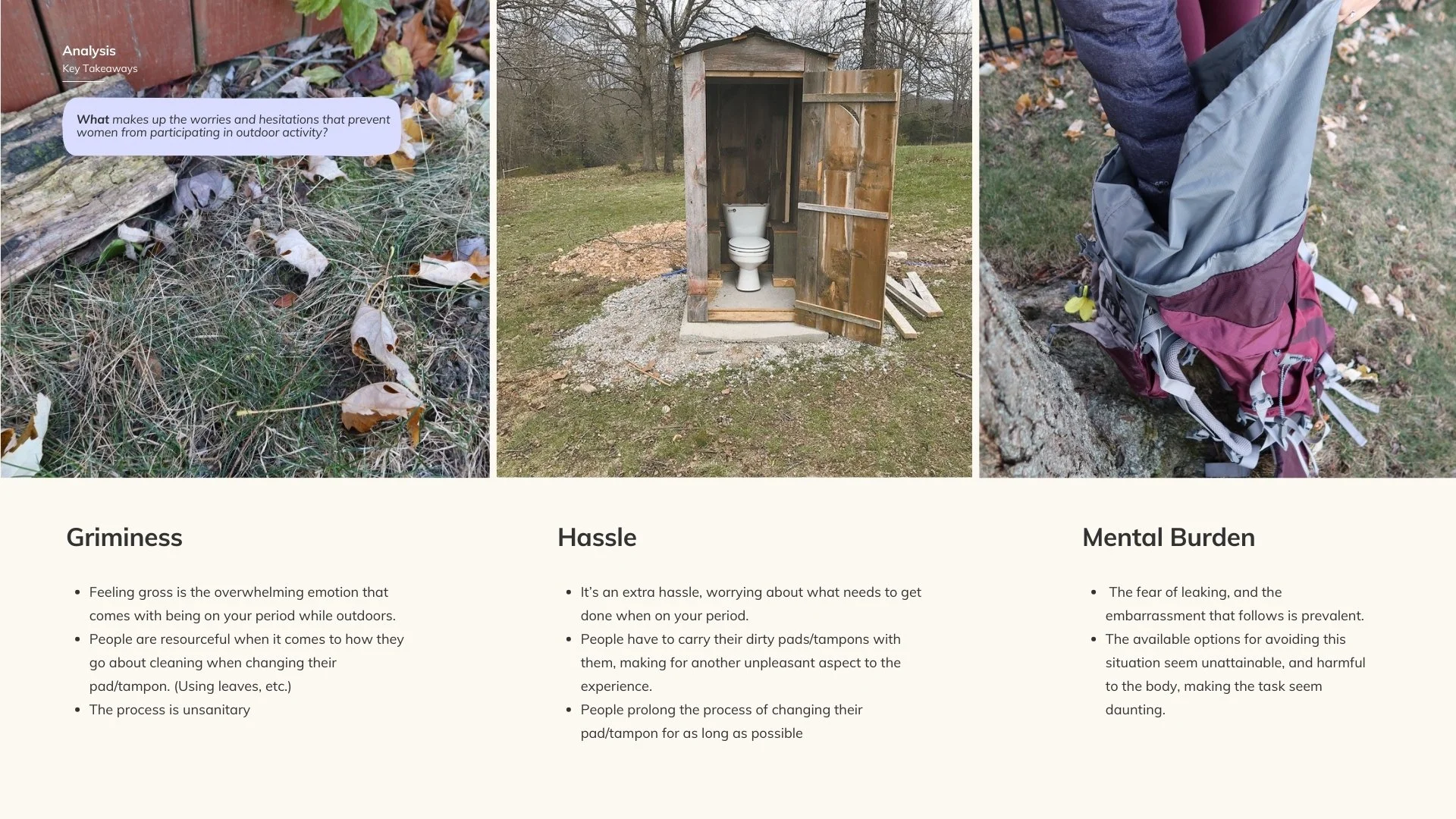
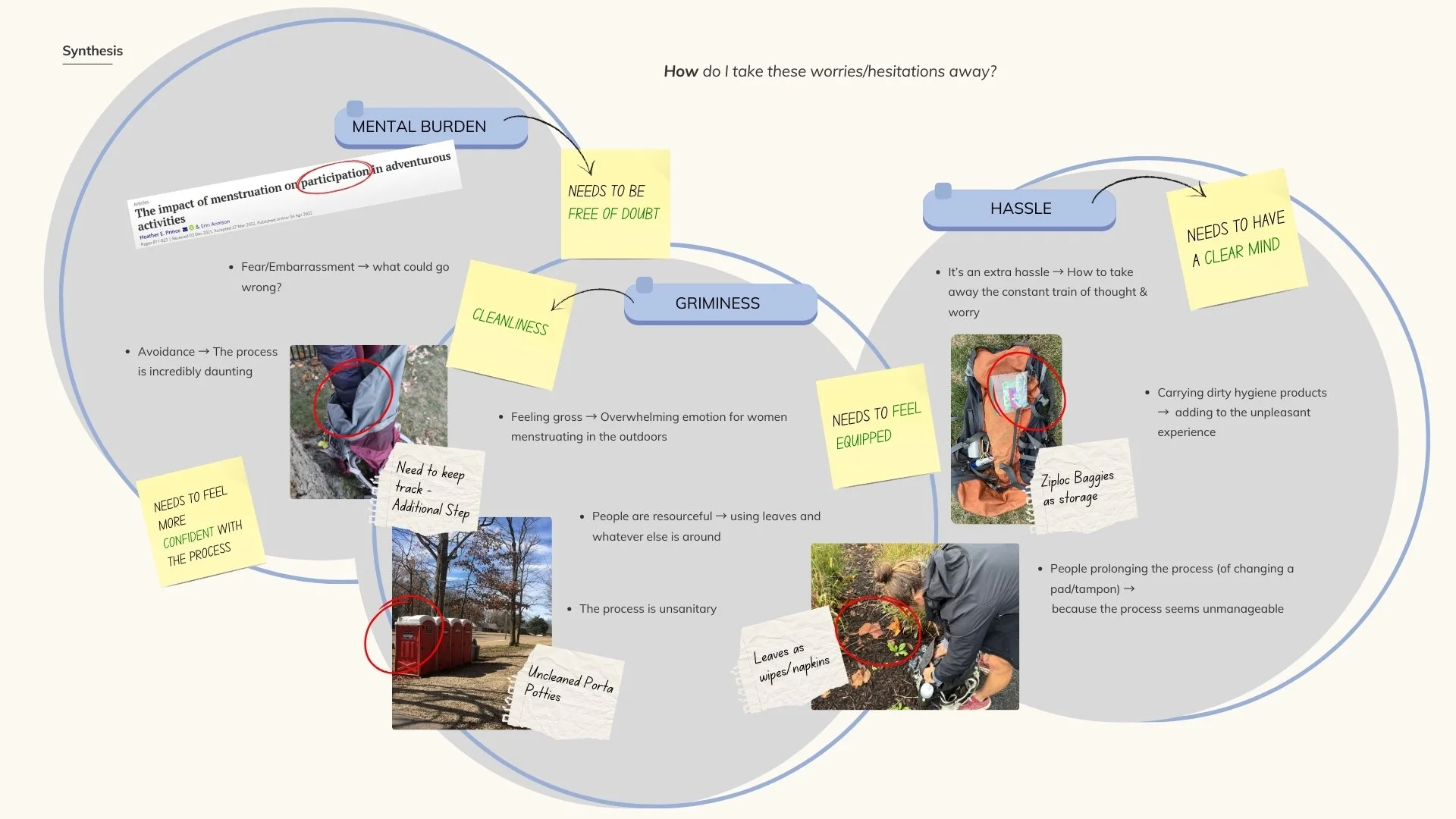
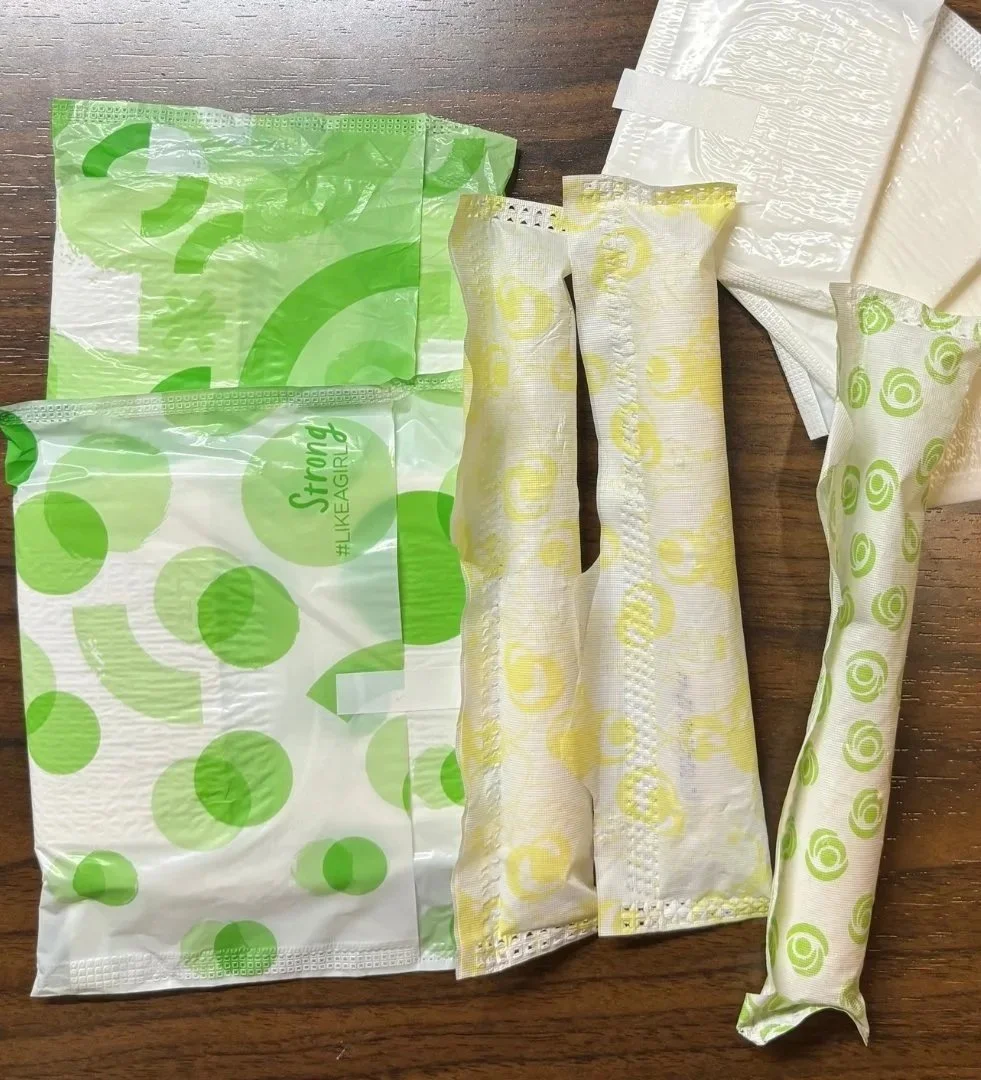
In a study conducted by the University of Cumbria examining the effect of menstruation and premenstrual syndrome (PMS) on habitual participants in adventurous activities…
Only 11% of respondents reported that Menstruation/PMS had not affected their participation in adventurous activities.
-
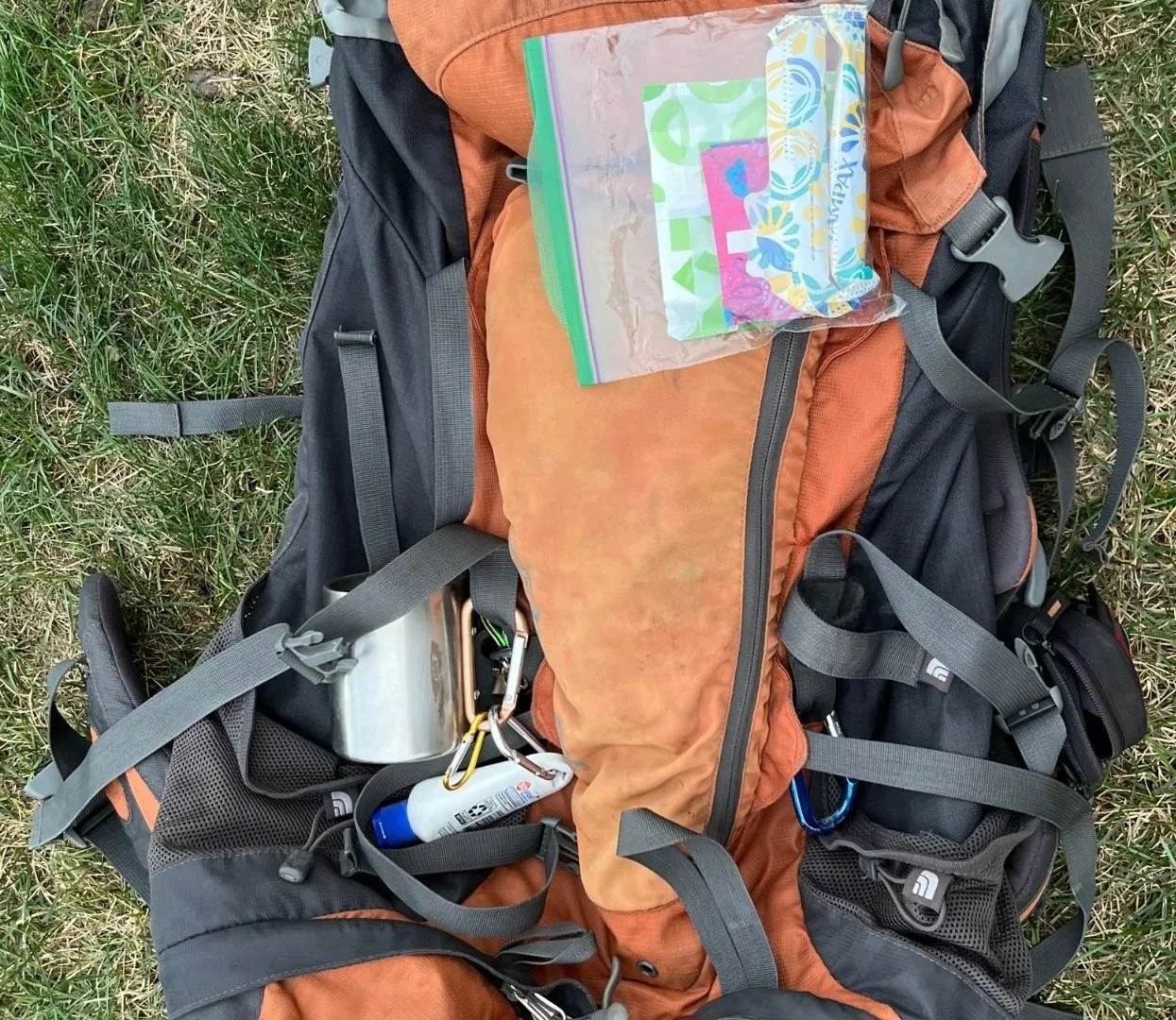
In a surveillance survey of 334 persons who hiked the Appalachian Trail for >7 days:
In comparing the experiences of female and male backpackers, their general experiences were remarkably similar.
Yet women were slightly less likely to achieve their individual goals.
Of regularly menstruating women, 87% (43 of 49) had menstrual changes, such as a change in frequency or character, while hiking, affecting their ability to reach their goals.
-
There are few studies examining wilderness morbidities and mortalities, and virtually none that examine the differential experiences of women.
Even in studies purporting to explore the factors affecting women and girls’ participation in adventurous activities, the impact that menstruation has and the challenges of menstrual management in outdoor environments are often not researched, disclosed, or reported.
Interviews
-
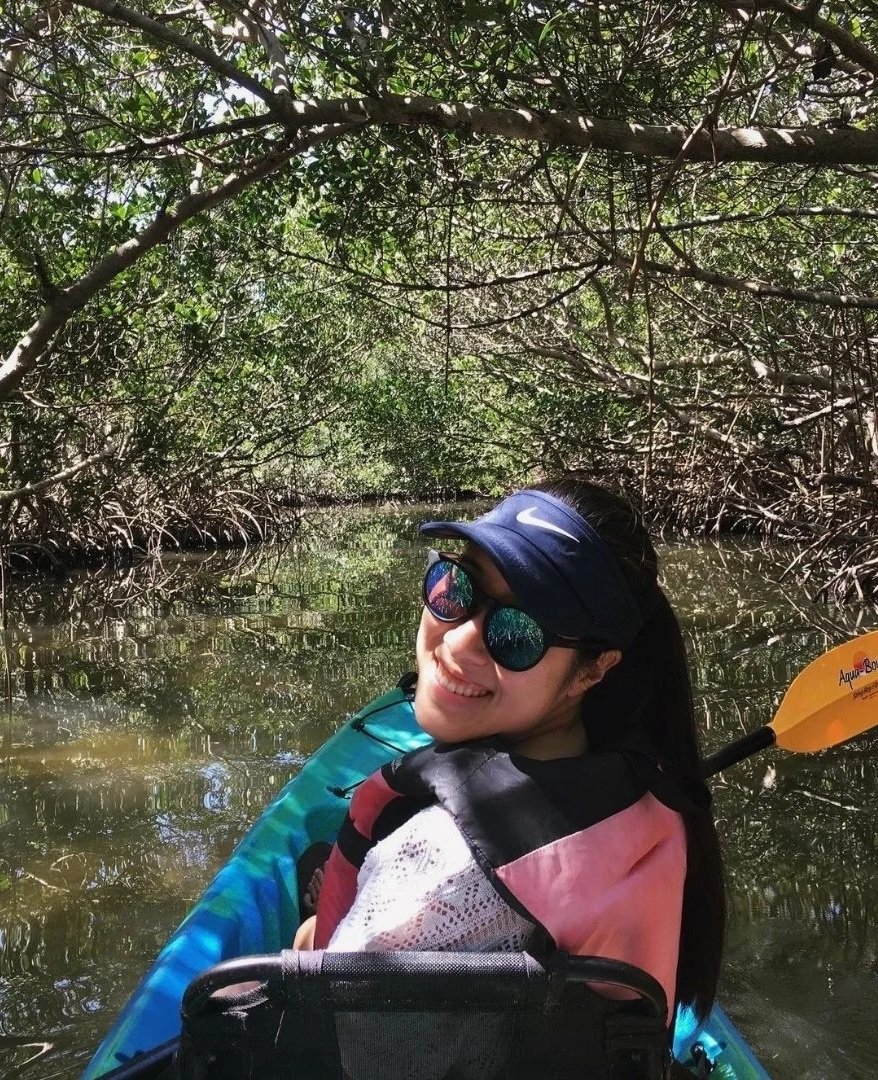
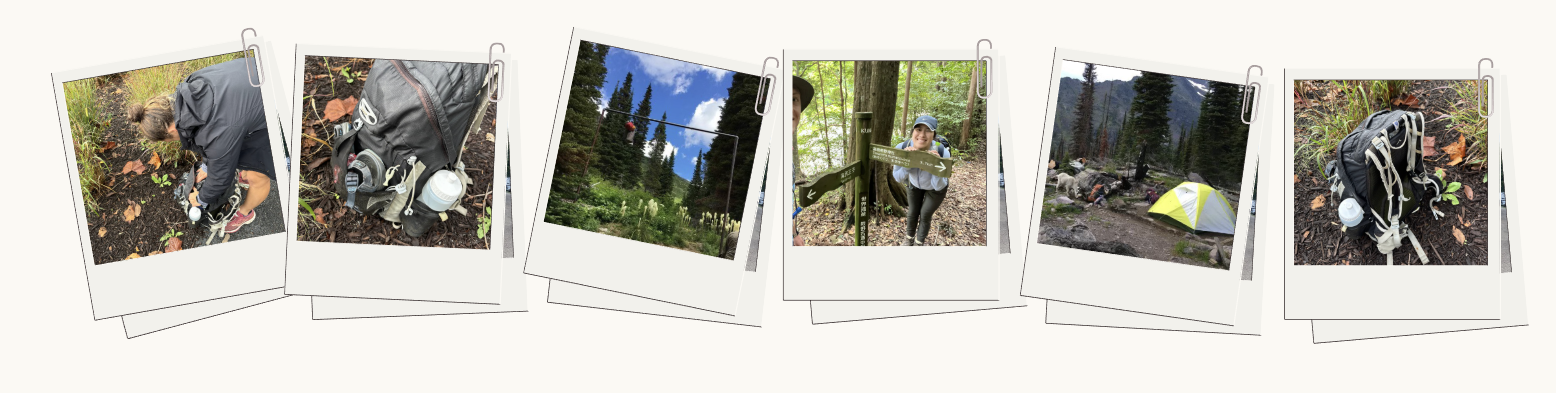
Ikumi is an elementary school dual language teacher who loves any and all outdoor activities. In spending her summers backpacking, camping, and snorkeling, Ikumi offers her insight into the challenges she faces as a female outdoor enthusiast, specifically during her cycle.
-
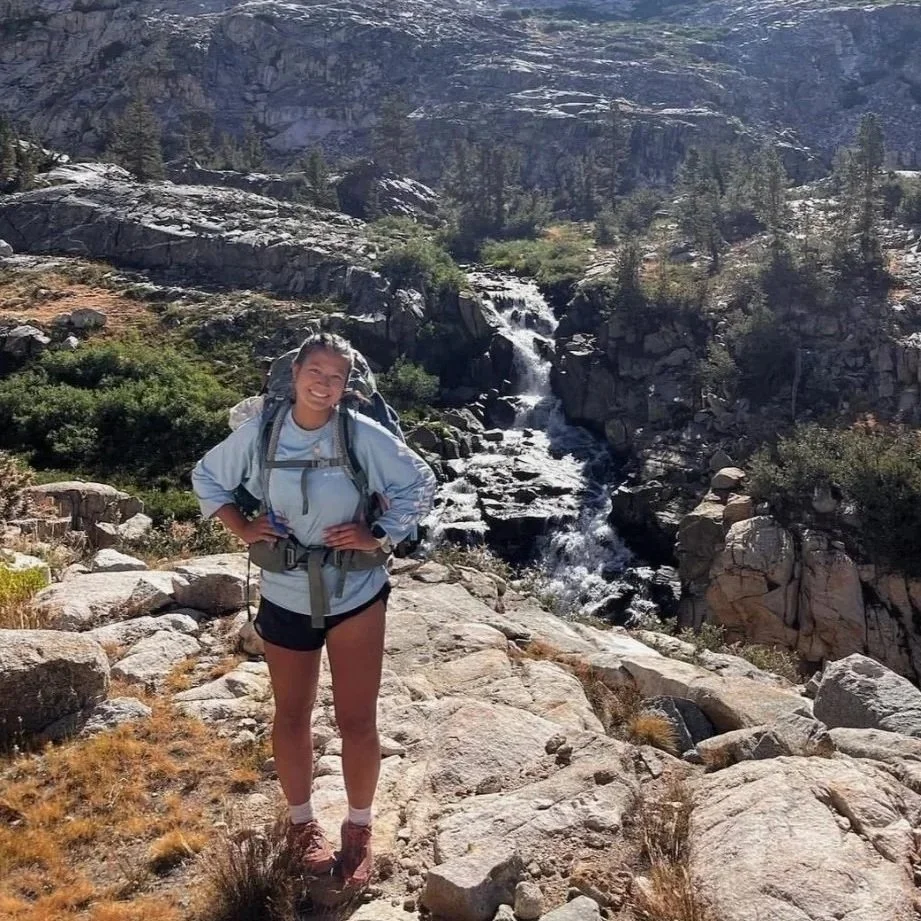
Sophia is an undergraduate student at Notre Dame from Ohio. She recently went backpacking for two weeks on the Yosemite John Muir Trail, which happened to fall during her time of the month. She shares her experience with backpacking while on her period.
-
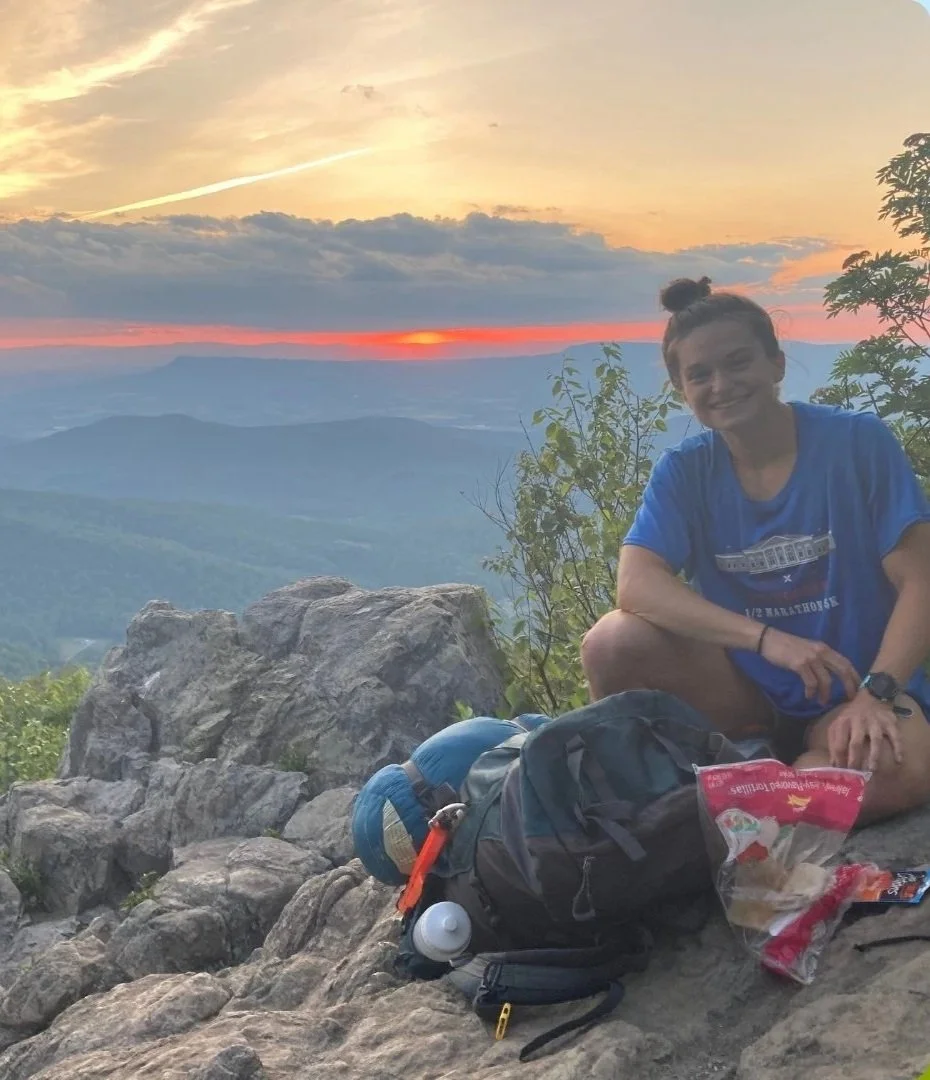
Audrey is a graduate student, and an avid hiker, camper, and backpacker. She is a solo adventurer for the most part, and with her vast experiences with nature, she talks to me about how she handles being a woman on her cycle while out in the wild.
-
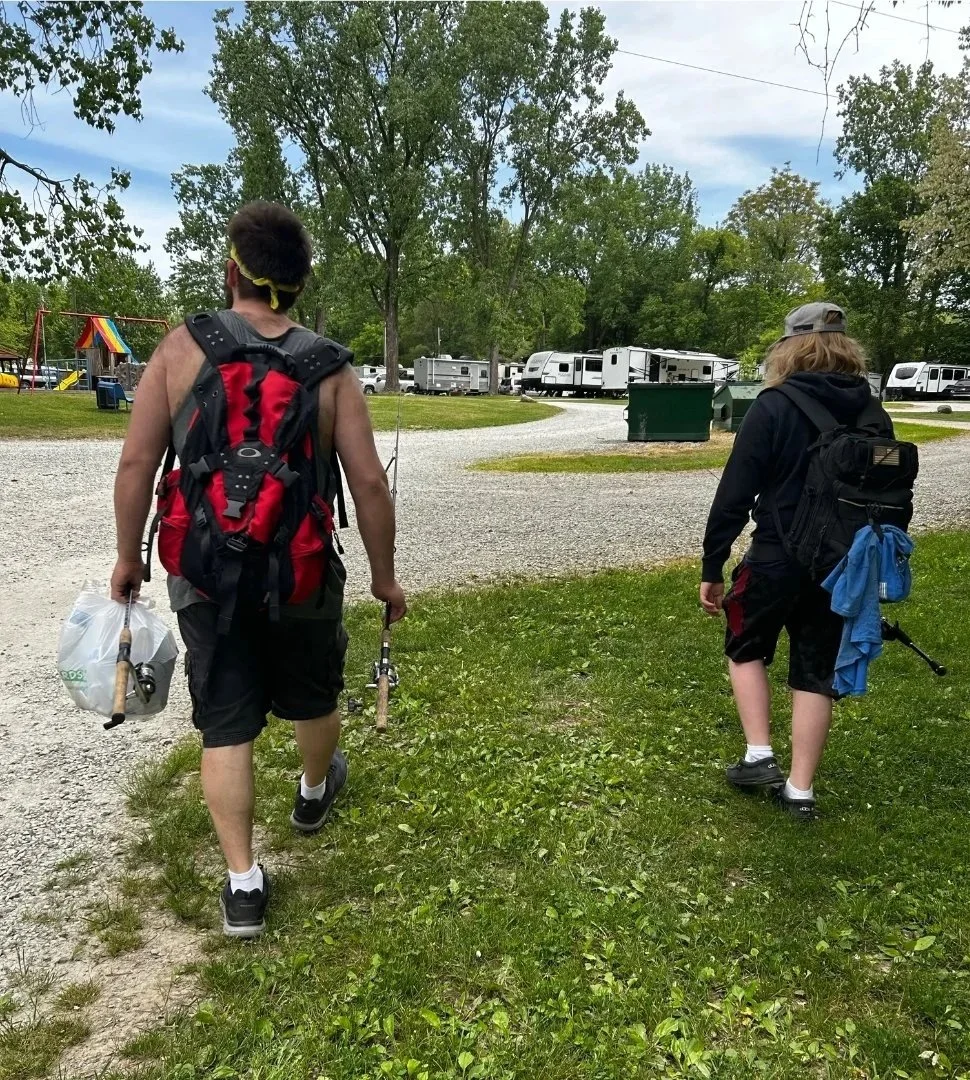
Jan stays at the campsite during the week with her RV. Being 57 years old, Jan is past her time dealing with her cycle and reflects on her past years and experience with it.
-
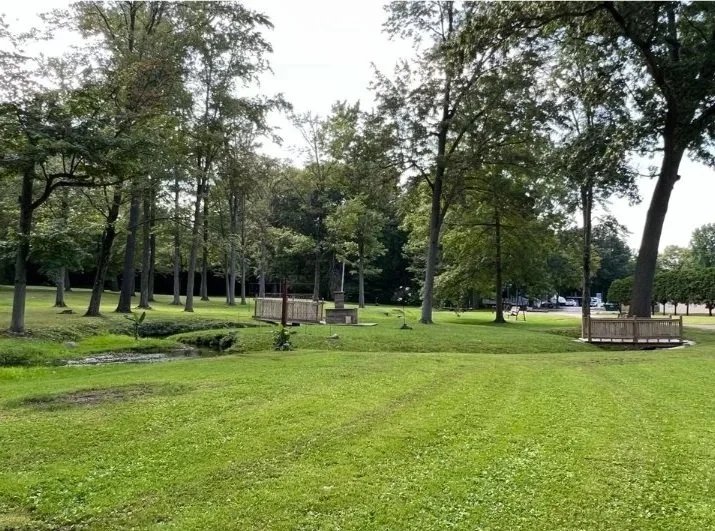
Rose travels from campsite to campsite with her RV, and provides insight on her personal experience with her menstrual management in the outdoors.
-
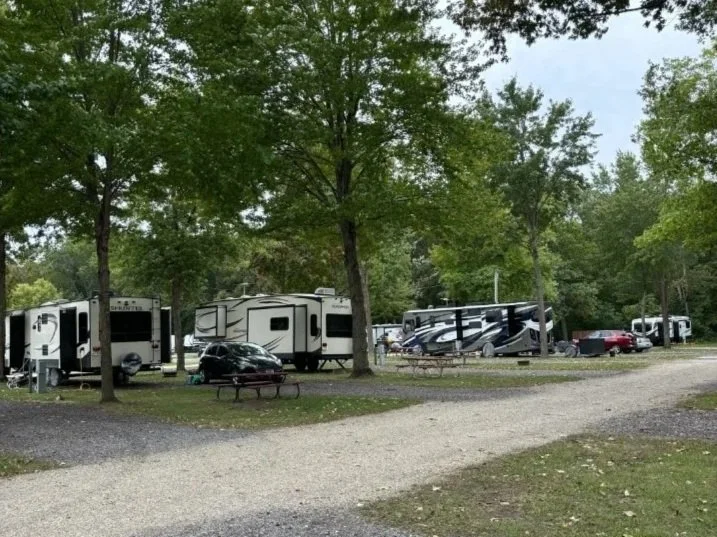
Audrey rents out an RV for big weekends, and was camping at the South Bend Campsite for a home football game with some friends. She classifies herself as an outdoorsy type and speaks to me surrounding the topic of menstrual management in the outdoors.